

insights
Engineering Environmental Services: A Different Way to Evaluate Environmental Services Technology

Executive Perspective:
OPERATIONAL CLARITY saves resources
Every hospital engineers its buildings, its infrastructure, its clinical workflows, and its financial systems. Environmental Services, despite representing one of the largest labor forces in the organization, has historically been expected to operate with far less operational engineering.
The opportunity is not simply to measure Environmental Services more effectively. The opportunity is to engineer the operation before it is measured. This distinction fundamentally changes how Environmental Services technology should be evaluated.
Ultimately, it’s about an investment in operational clarity that removes uncertainty and saves far more resources than it takes to engineer. It’s a proven method derived from 40 years of actual measurement and real-time EVS deployment. And, surprisingly, the first few steps don’t require user-based software.
To top it off, the first engineered step toward OPERATIONAL CLARITY is a free step.
It’s a “glance” so to speak, at what’s possible inside your hospital environment.
Engineering Before Measurement
Replacing assumptions.
Every staffing decision begins with an assumption that the work being assigned accurately reflects the work that needs to be performed.
When that assumption is based primarily on historical practice, every decision that follows, staffing, scheduling, productivity, vacancy management, and operational planning, inherits that uncertainty.
Engineering Environmental Services replaces assumptions with objective operational intelligence.
It begins with:
- A comprehensive facility inventory
- An engineered staffing analysis
- Balanced work assignments
- Standardized operational practices
- A continuously evolving operational model owned and maintained by Environmental Services leadership
Only then does performance measurement become truly meaningful.
The greatest opportunity to improve Environmental Services performance occurs before the first assignment is ever worked.
Operational Intelligence
Lead clearly.
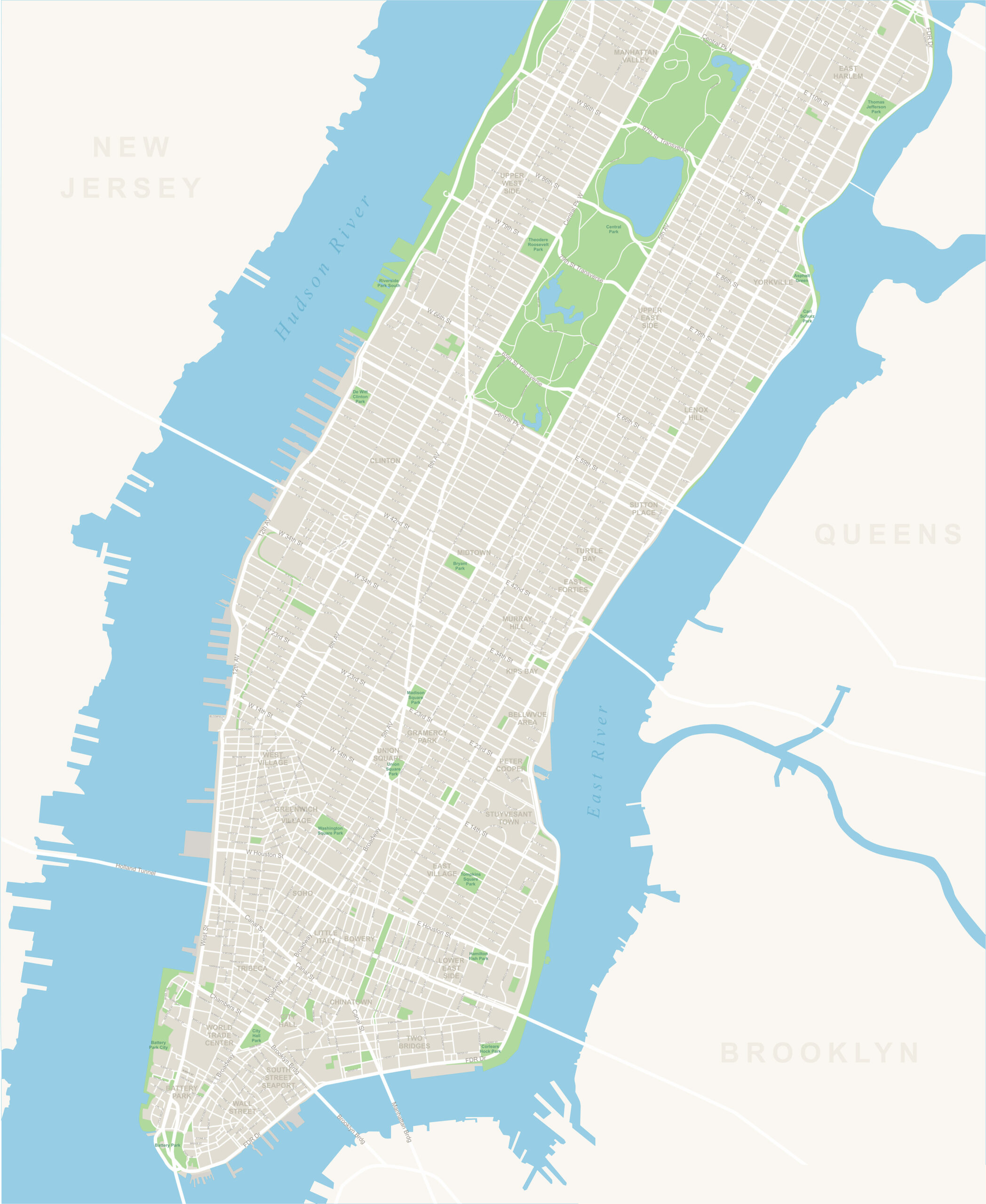
Smart Facility has measured more than 1 billion square feet of healthcare space, totaling more square feet than the size of Manhattan.
Environmental Services leaders make thousands of operational decisions every year. Experience remains one of their greatest assets.
Operational Intelligence does not replace experienced leaders. It enables experienced leaders to lead with greater confidence.
For more than 40 years, Smart Facility Software has focused exclusively on Environmental Services operations. During that time, we have measured and analyzed more than 1 billion square feet of healthcare space, creating an operational knowledge base that continues to inform every implementation. That experience has consistently demonstrated that no two organizations require the same answer.
Some organizations discover opportunities to improve operational efficiency through balanced workloads, standardized assignments, and better utilization of existing resources. Others determine that additional staffing is necessary to achieve the desired service levels.
Both outcomes represent success because leadership gains the objective operational intelligence needed to make confident, evidence-based decisions.
Why Engineering Matters
Informed operational changes.
Hospitals would never construct a building before completing the architectural drawings. They would never install a mechanical system before completing the engineering calculations. They would never build an operating room without detailed specifications.
Environmental Services deserves the same discipline. Engineering the operation before measuring it establishes the standards upon which staffing, assignments, productivity, and operational improvement can be consistently managed.
The purpose of engineering isn’t to make operations more rigid. It’s to make informed operational change possible.
Advisor or Vendor?
A vendor answers the questions that are asked.
An advisor helps managers and leadership recognize the questions not yet considered.
Environmental Services is operationally complex. Decisions regarding staffing, service levels, workload distribution, operational priorities, and future growth extend far beyond labor expense. They influence patient throughput, infection prevention, employee engagement, patient experience, and regulatory readiness.
Decisions of that weight require more than software deployment. They require thoughtful operational guidance grounded in experience, objective analysis, and a commitment to helping leadership make informed decisions.
Recovering Operational Capacity
The objective of operational engineering isn’t a predetermined labor reduction.
The objective is to ensure staffing resources are aligned with the work that actually needs to be performed.
Over time, organizations recover operational capacity through better workload distribution, balanced assignments, objective staffing decisions, standardized operational practices, management efficiency, and the ability to continuously adapt their operational model as facilities and service expectations evolve.
The long-term value isn’t found in a single staffing adjustment. It is found in providing managers and leadership with a continuously evolving operational model that supports confident operational decisions for years to come.
Engineering The EVS Budget
Environmental Services deserves to be engineered with the same discipline that hospitals apply to every other critical operational system.
Engineering creates standards. Standards create consistency. Consistency builds confidence. Confidence enables better operational decisions, better patient experience, and managed EVS budgets.
Contact Smart Facility Software:
Take a first glance at what’s possible.
Then, see the numbers for your facility.
Every hospital’s footprint, staffing model, and operational pressures are different. Take the first step toward validated staffing levels. The team at Smart Facility Software in Nashville, TN can walk you through it.
Call 1–800-260‑8665, Option 1, or email sales@smartfacilitysoftware.com to start the conversation.