

Home > Software Capabilities > EVS Staffing Software
EVS Staffing Software
Get the right number of people.
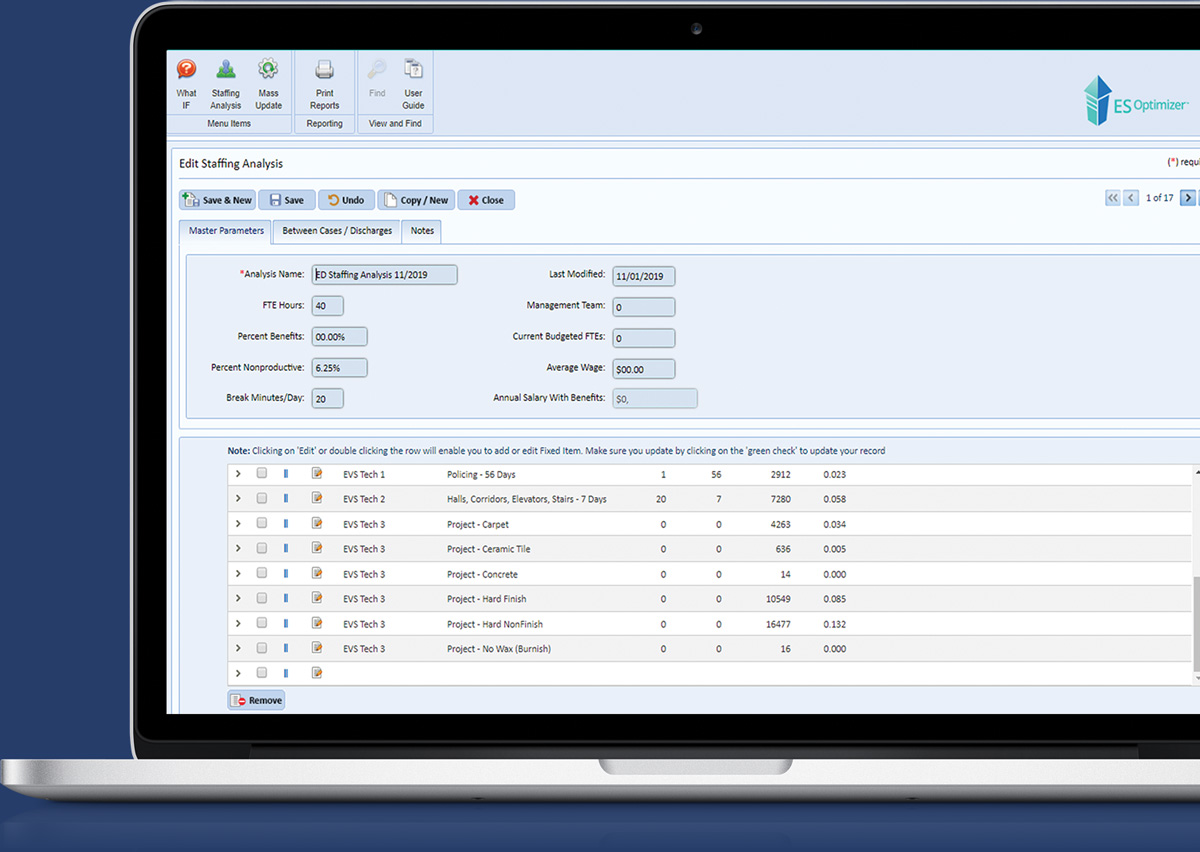
Our staffing analysis begins with time-tested cleaning standards and a complete set of your facility’s actual data — a site inventory — not a benchmark. Every hospital is unique, from case loads to room types. With a site inventory, EVS managers create a detailed staffing model based on the uniqueness of their actual facility.
Site inventory: an accurate database
of every cleanable space in your facility.
 Learn how a detailed, accurate site inventory is the basis for getting and managing the right number of EVS staff.
Request a Demo:
See Staffing in Action —
Learn Site Inventory Cost

1. Input information about your unique EVS operation.
-
Administrative Data
Management team, percentage of benefits and more.
-
Operational Data
OR cases and discharge volumes.
-
Lock-ins & Other Positions
Including linen distribution, and supply room stocking.
2. Create your Cleanable Space Database.
Create an Accurate Database of Your Unique Facility’s Cleaning Data.
At its core, ES Optimizer is an inventory of every cleanable space of your unique facility, with cleaning metrics for each room. Instead of a model based on benchmarked standards, your database contains your actual and unique set of floors, rooms, and cleanable spaces.
-
Staffing data by Rooms Buildings, Floors, and Areas
Rooms are organized by buildings, floors, areas, assigned tasks, and cleaning frequencies.
-
Vital Cleaning Metrics by Room Type
Vital cleaning metrics are assigned to each room by room type, square footage/units, floor surface, and cleaning steps.
-
Cleaning Times and Task Frequencies
Cleaning times and task frequencies for each room are easily viewed and adjusted.
Over 90 healthcare room-type cleaning
standards developed over 30 years.
3. Calculate Staffing Levels.
Justify labor costs for any situation.
- Justify staffing requests with detailed, data-driven reports.
- Create unlimited staffing analyses based on complete, accurate facility data.
- Run, analyze, and implement “What If” scenarios to evaluate proposed changes to your cleaning program, such as budget restrictions or additional requirements on your EVS team (see more below).
Run staffing analysis reports at any time.
- Total Daily Cleaning Hours
- Total Annual Project Hours
- Policing Hours
- Total Daily Cleaning FTEs
- Total Between Case/Discharge FTEs
- Total number of Annual/Project FTES
- Grand Total FTEs
4. Run “What If” Scenarios
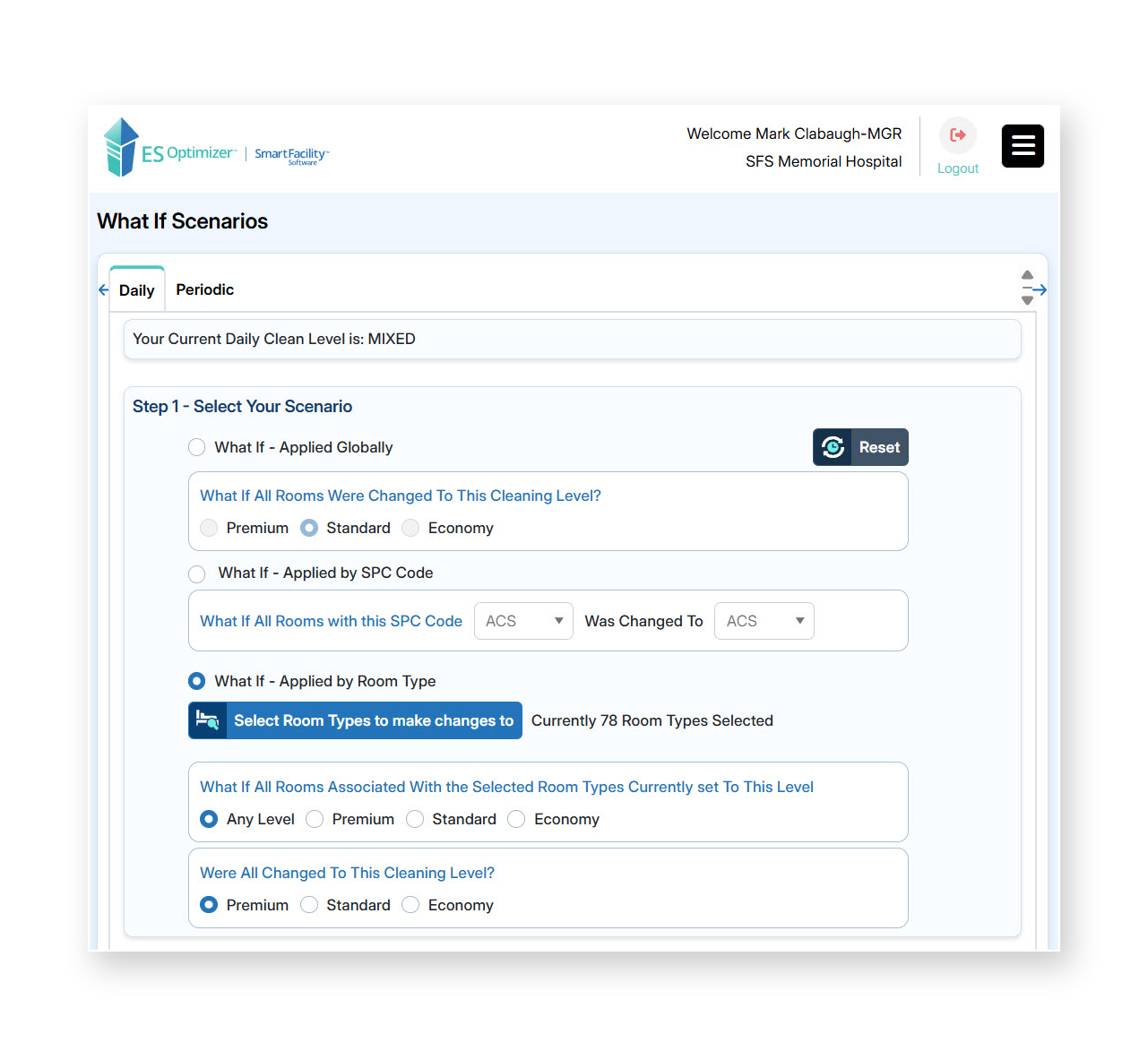
The What If feature supports both the initial Staffing Analysis as well as ongoing EVS planning. It allows you to project the effects of scenario changes to refine your plan.
Flexible, Detailed, Scenario Planning
- Adjust cleaning levels across all rooms (Premium, Standard, Economy)
- Update daily assignments or project work
- Modify specific cleaning procedures (e.g., changing Light Office Cleaning to HTO)
- Apply changes to all room types or target specific ones
- Instantly see how adjustments would impact FTE requirements
See the Impact Before You Commit
- Review a detailed report of proposed changes
- Understand how cleaning times and staffing needs will shift
- Identify exactly which rooms and areas are affected
Learn more about using “What If” scenarios.
See our EVS software in action.
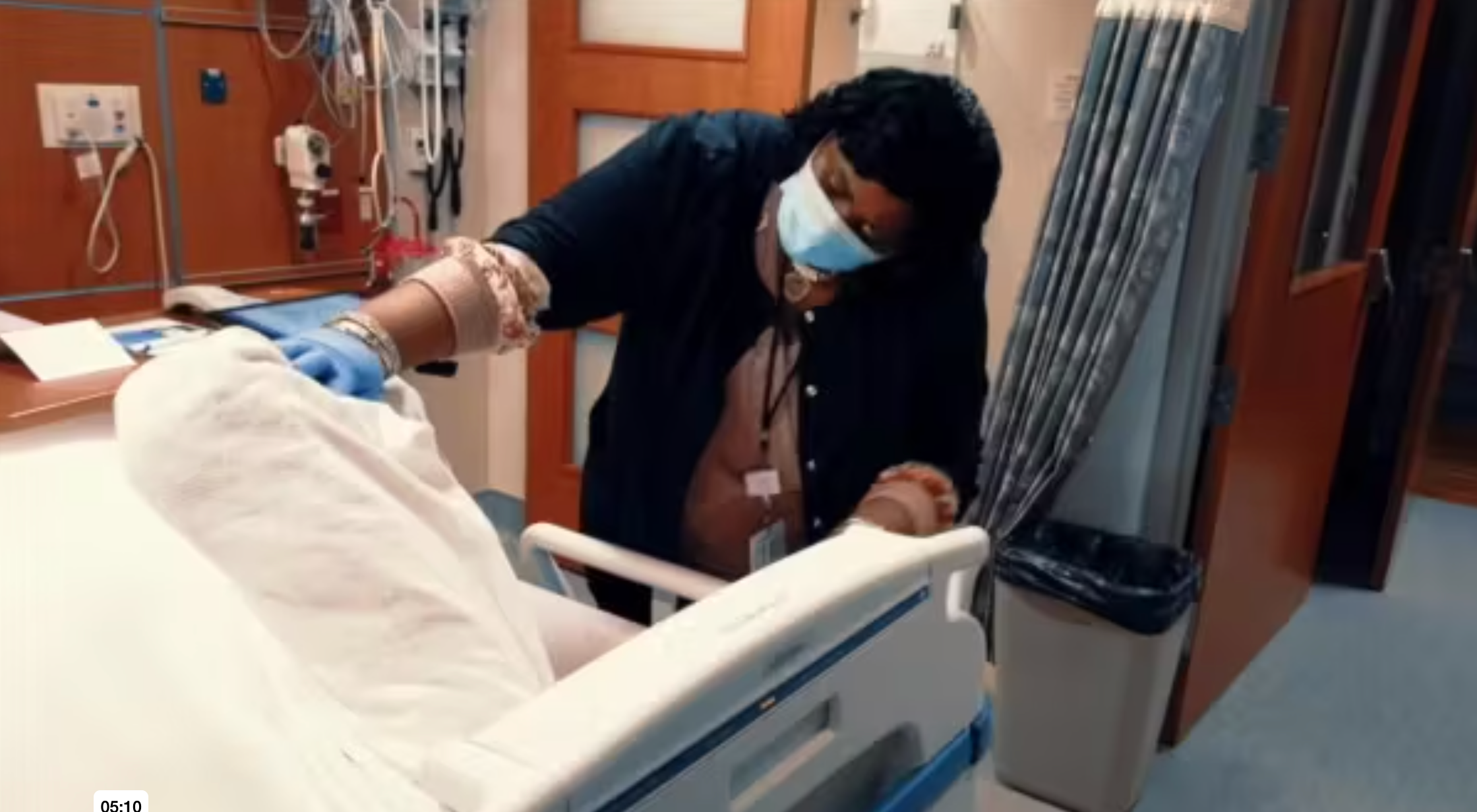
Smart Facility at CarolinaEast
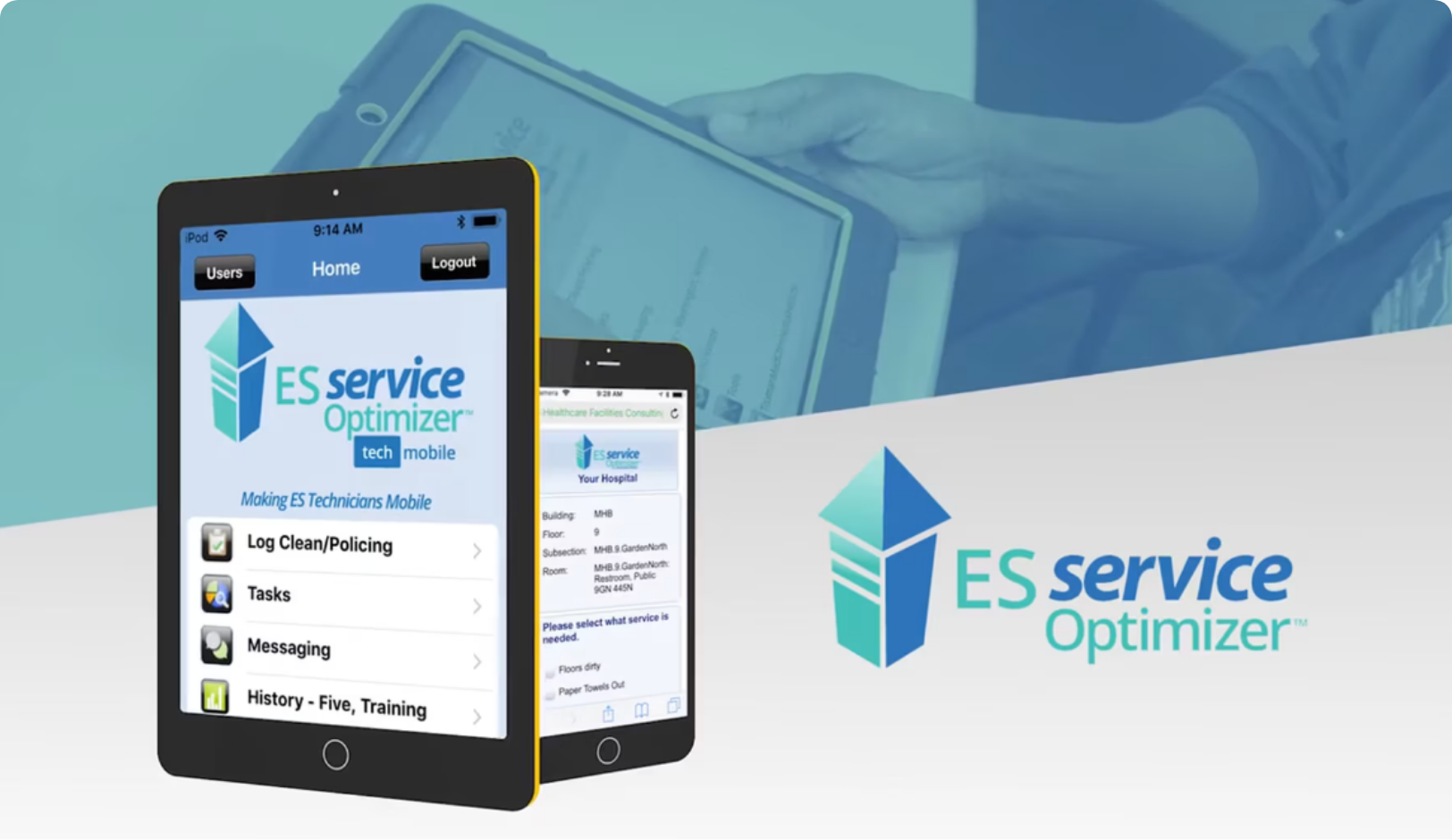
Visible, Real-Time Communications